

20x4.0 Inner Tube - For Fatbike Tyre - ETRTO 98-406 to 103-406 - Schrader Valve - Pack of 2
Regular price $16.95Unit price /Unavailable-
-
-
-
-
-
26x4.0 Inner Tube - For Fatbike Tyre - ETRTO 97-559 to 103-559 - Schrader Valve - Pack of 2
Regular price $19.95Unit price /Unavailable-
- Regular price $20.00Unit price /Unavailable
-
-
- Regular price $18.00Unit price /Unavailable
-
- Regular price $18.00Unit price /Unavailable
-
-
- Regular price $20.00Unit price /Unavailable
-
-
-
-
-
- Regular price $22.00Unit price /Unavailable
-
- Regular price $17.00Unit price /Unavailable
-
- Regular price $17.00Unit price /Unavailable
-
- Regular price $18.00Unit price /Unavailable
-
-
- Regular price $17.95Unit price /Unavailable
-
-
-
24x4.0 Inner Tube – For 24-Inch Fat Tires – Schrader Valve
Regular price $24.95Unit price /Unavailable-
-
-
- Regular price $22.00Unit price /Unavailable
-
- Regular price $18.00Unit price /Unavailable
-
- Regular price $17.00Unit price /Unavailable
-
Motorcycle inner tube 14 inch for tyres 70/90-14, 70/100-14, 80/80-14, 90/70-14, 2.50-14 and 2.75-14
Regular price $17.00Unit price /Unavailable-
-
-
-
- Regular price $17.95Unit price /Unavailable
-
-
-
- Regular price $24.00Unit price /Unavailable
-
- Regular price $21.00Unit price /Unavailable
-
- Regular price $20.00Unit price /Unavailable
-
- Regular price $20.00Unit price /Unavailable
-
- Regular price $20.00Unit price /Unavailable
-
- Regular price $19.00Unit price /Unavailable
-
- Regular price $17.00Unit price /Unavailable
-
- Regular price $17.00Unit price /Unavailable
-
- Regular price $26.00Unit price /Unavailable
-
Motorcycle inner tube 19 inch for tyres 110/90-19, 110/100-19, 120/90-19, 4.00-19 and 4.50-19
Regular price $25.00Unit price /Unavailable-
Motorcycle inner tube 19 inch for tyres 70/90-19, 70/100-19, 2.50-19 and 2.75-19 - Reinforced
Regular price $27.00Unit price /Unavailable-
Motorcycle inner tube 17 inch for tyres 60/100-17, 70/70-17, 70/80-17, 2.00-17 and 2.25-17
Regular price $17.00Unit price /Unavailable-
- Regular price $19.00Unit price /Unavailable
-
Motorcycle inner tube 16 inch for tyres 110/80-16, 100/100-16, 120/70-16, 3.50-16 and 4.00-16
Regular price $19.00Unit price /Unavailable-
Motorcycle inner tube 16 inch for tyres 70/100-16, 80/80-16, 2.50-16 and 2.75-16
Regular price $17.00Unit price /Unavailable-
Motorcycle inner tube 14 inch for tyres 2.25-14, 60/90-14, 60/100-14, 70/70-14 and 70/80-14
Regular price $18.00Unit price /Unavailable-
- Regular price $18.00Unit price /Unavailable
-
- Regular price $18.00Unit price /Unavailable
-
-
-
-
-
-
-
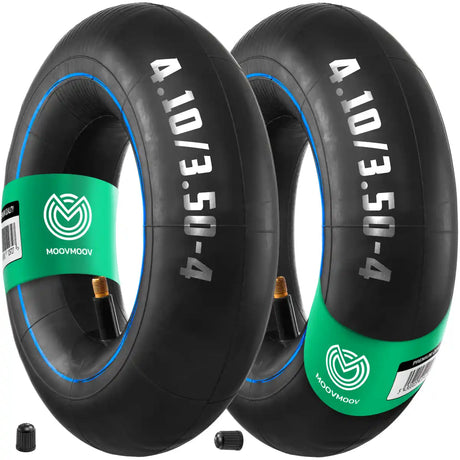
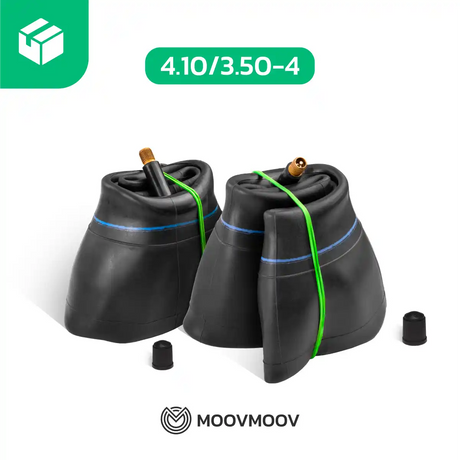
4.10/3.50-4 Inner Tubes for Mobility Scooters, Hand Trucks and Utility Carts - 4" Rim - 2-Pack
Regular price $17.95Unit price /Unavailable-
-
-
-
-
-
- Regular price $23.00Unit price /Unavailable
-
- Regular price $23.00Unit price /Unavailable
-
- Regular price $24.00Unit price /Unavailable
-
- Regular price $21.00Unit price /Unavailable
-
- Regular price $19.00Unit price /Unavailable
-
- Regular price $19.00Unit price /Unavailable
-
- Regular price $18.00Unit price /Unavailable
-
- Regular price $17.00Unit price /Unavailable
-
- Regular price $17.00Unit price /Unavailable
-
- Regular price $17.00Unit price /Unavailable
-
- Regular price $19.00Unit price /Unavailable
-
Motorcycle inner tube 21 inch for tyres 90/90-21, 100/70-21, 100/80-21 and 3.00-21
Regular price $19.00Unit price /Unavailable-
- Regular price $34.00Unit price /Unavailable
-
- Regular price $28.00Unit price /Unavailable
-
Motorcycle inner tube 19 inch for tyres 90/90-19, 3.00-19 and 3.25-19 - Reinforced
Regular price $27.00Unit price /Unavailable-
- Regular price $26.00Unit price /Unavailable
-
- Regular price $22.00Unit price /Unavailable
-
- Regular price $22.00Unit price /Unavailable
-
Motorcycle inner tube 18 inch for tyres 100/100-18, 110/80-18, 120/70-18, 3.50-18 and 3.75-18
Regular price $21.00Unit price /Unavailable-
Motorcycle inner tube 18 inch for tyres 90/90-18, 100/70-18, 100/80-18, 3.00-18 and 3.25-18
Regular price $20.00Unit price /Unavailable-
Motorcycle inner tube 18 inch for tyres 70/100-18, 80/80-18 and 90/70-18, 2.50-18 and 2.75-18
Regular price $20.00Unit price /Unavailable-
- Regular price $22.00Unit price /Unavailable
-
- Regular price $20.00Unit price /Unavailable
-
Motorcycle inner tube 17 inch for tyres 100/100-17, 110/80-17, 120/70-17, 3.50-17 and 4.00-17
Regular price $19.00Unit price /Unavailable-
Motorcycle inner tube 17 inch for tyres 70/100-17, 80/80-17, 90/70-17, 2.50-17 and 2.75-17
Regular price $17.00Unit price /Unavailable-
- Regular price $19.00Unit price /Unavailable
-
- Regular price $17.00Unit price /Unavailable
-
- Regular price $18.00Unit price /Unavailable
-
- Regular price $18.00Unit price /Unavailable
-
- Regular price $18.00Unit price /Unavailable
-
-
-


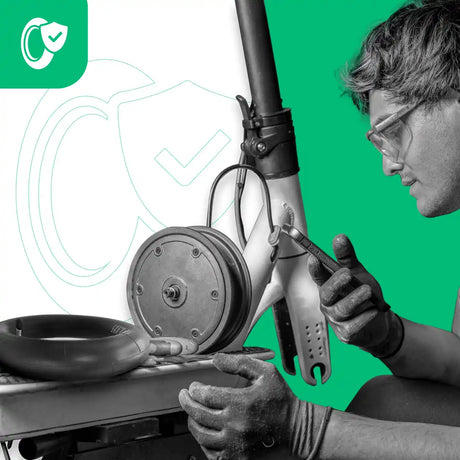


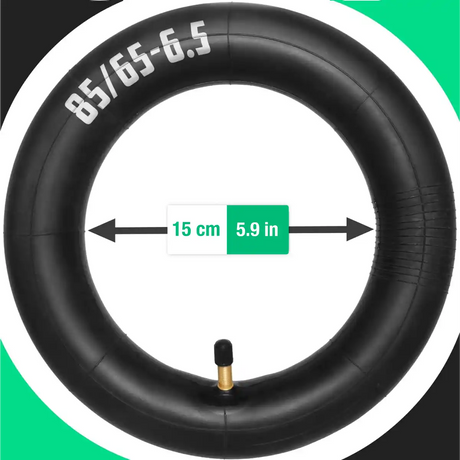
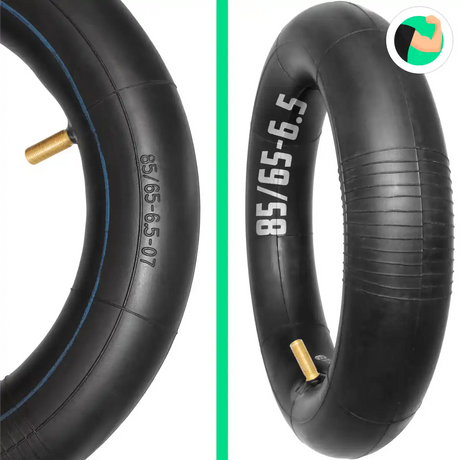
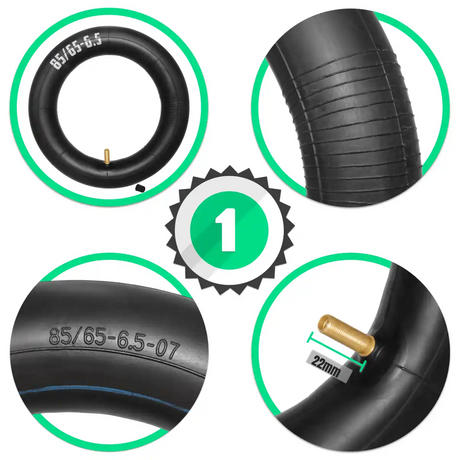










MOOVMOOV INNER TUBES
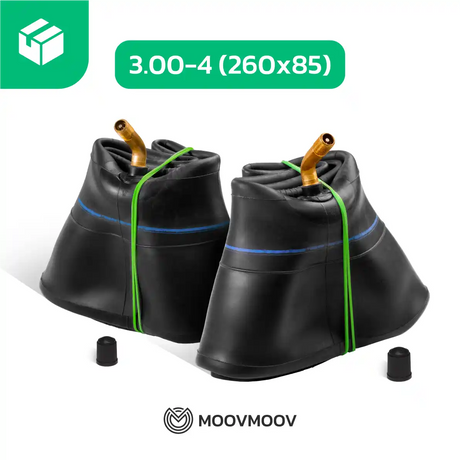
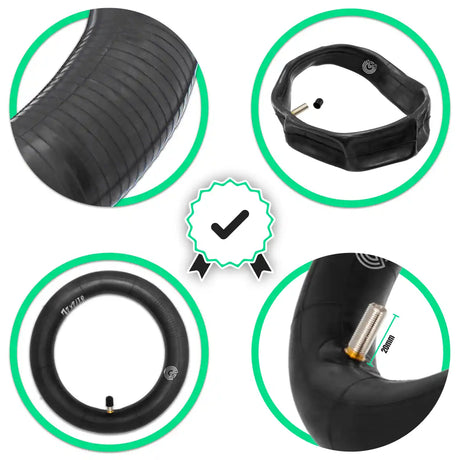
An inner tube is the core component of any tube-type tire: it provides an airtight seal, stabilizes pressure, and preserves ride comfort. At MoovMoov, every inner tube is designed to meet demanding professional standards—high-grade rubber, uniform material density, controlled wall thickness, and reinforced valve bases. The result: fewer micro-leaks, reduced risk of pinch flats, and reliable performance over time.
Because every application comes with its own constraints—diameter, width, load capacity, and valve access—our selection covers a wide range of vehicles. And we guide you toward the right reference the first time.
QUICK CHECKS (TO AVOID FITMENT ERRORS)
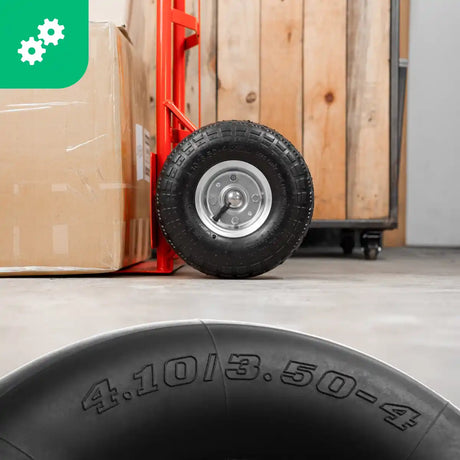
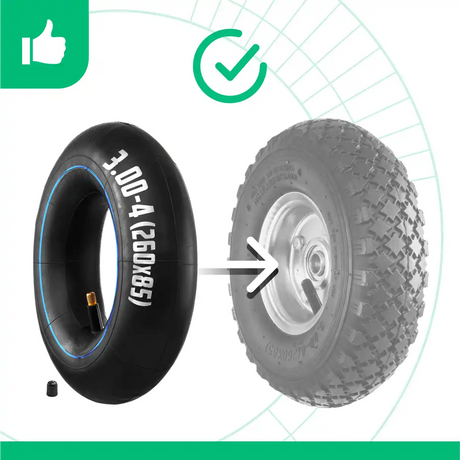
- Always check the size printed on the tire sidewall: it’s the most reliable reference.
- Stay within the recommended width range: too narrow causes overstretching; too wide can lead to internal folds.
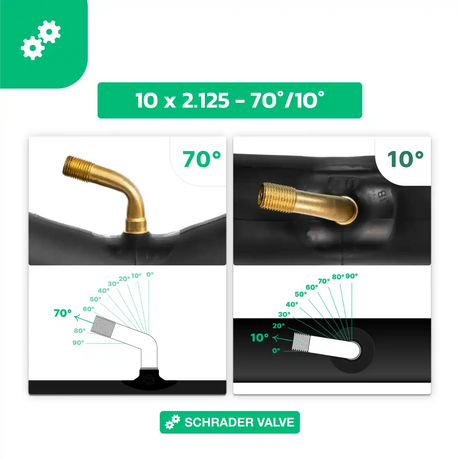
- Verify the valve before purchasing (type, length, straight or angled), especially on small wheels with limited access.
SOFT MOBILITY
BICYCLE INNER TUBES
There are many types of bicycles—road, mountain, gravel, city, and more. Naturally, this means a wide variety of tires and inner tubes. Inch sizing, ETRTO standards, French sizing (e.g. 700C or 650B), and valve types all coexist.
Inner tube compatibility starts with the tire marking, then the valve type (Presta or Schrader) required by the rim. Whether you need a kids’ bike tube, a fat bike tube, or another configuration, MoovMoov quality delivers speed, durability, and dependable performance.
Common bicycle inner tube sizes:
12”, 14”, 16”, 18”, 20”, 24”, 26”, 27.5”, 29”
SCOOTER & E-SCOOTER INNER TUBES
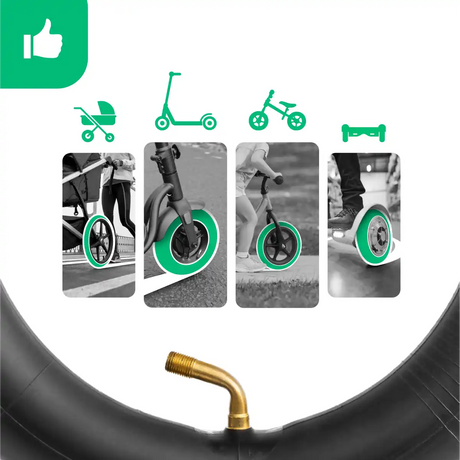
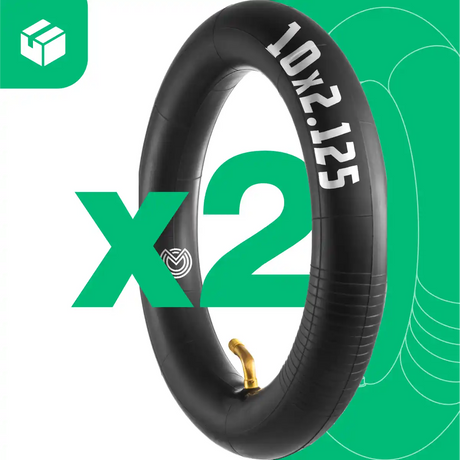
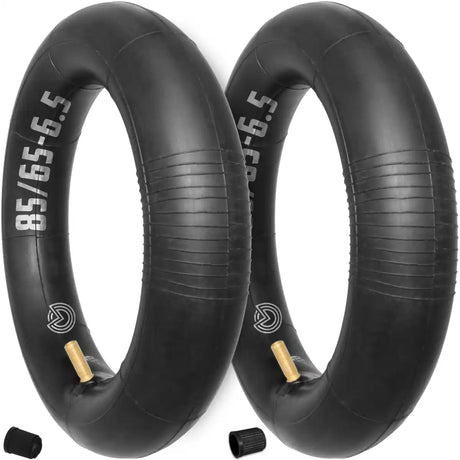
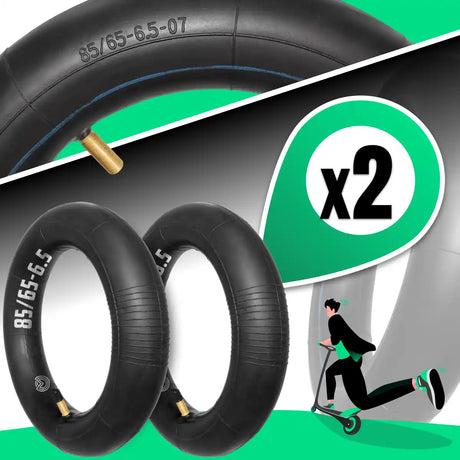
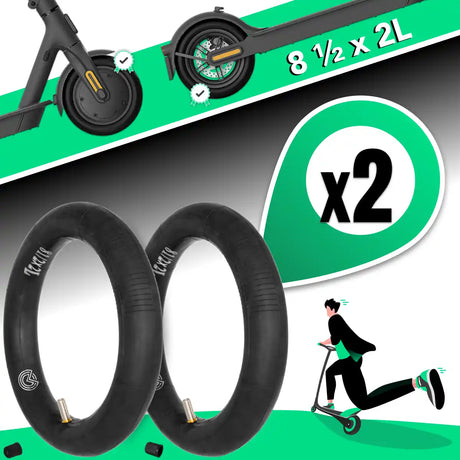
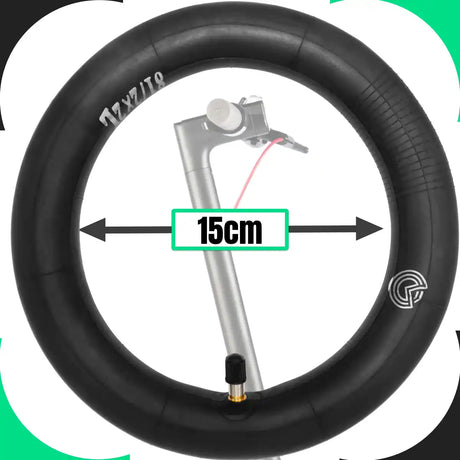
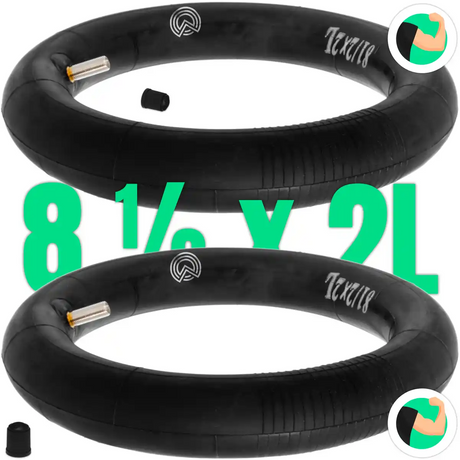
For scooters (including electric scooters), exact sizing and width are critical (e.g. 8.5×2, 10×2, 10×2.125, 10×2.50), as well as valve shape (straight or angled) depending on rim design and inflation access.
On these small-diameter wheels, maintaining the manufacturer-recommended PSI is especially important. Under-inflation increases the risk of pinch flats and heat buildup.
GARDEN & MATERIAL HANDLING
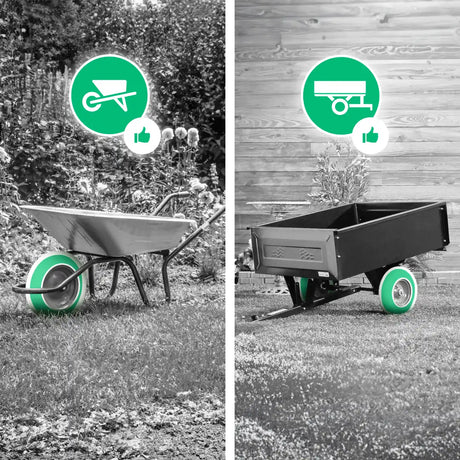
WHEELBARROW INNER TUBES
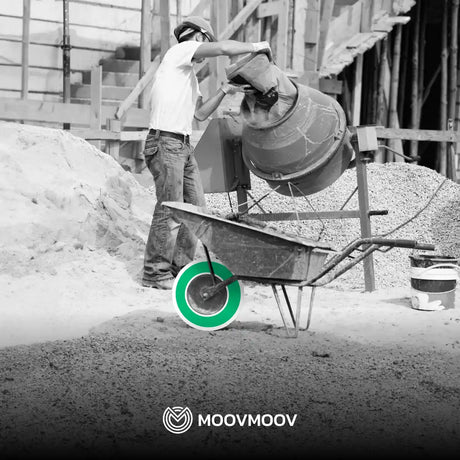
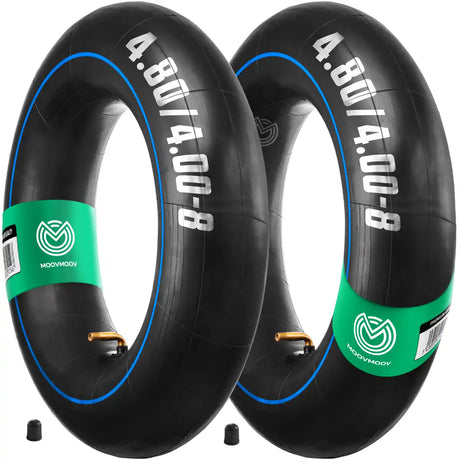
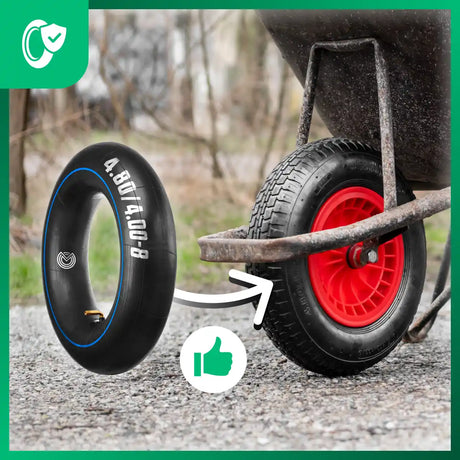
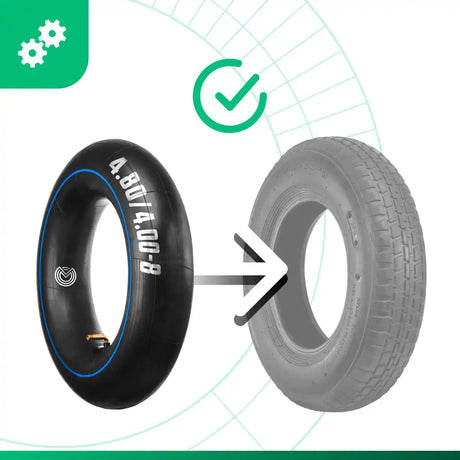
Utility wheels are exposed to variable loads, impacts, and uneven terrain. Common sizes include 4.00-8, 3.50-8, 4.80/4.00-8, and other inch-based formats.
Schrader (automotive-style) valves are most common, but it’s best to check rim hole diameter, valve length, and ease of inflation.
HAND TRUCK & GARDEN CART INNER TUBES
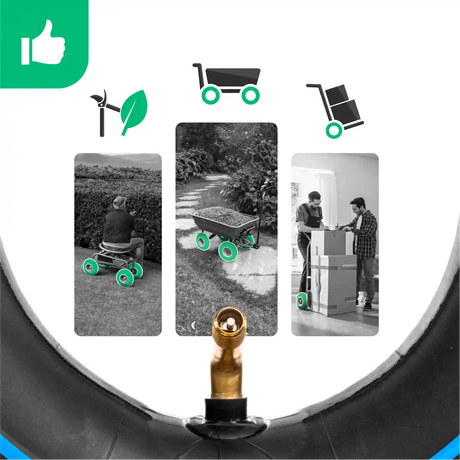
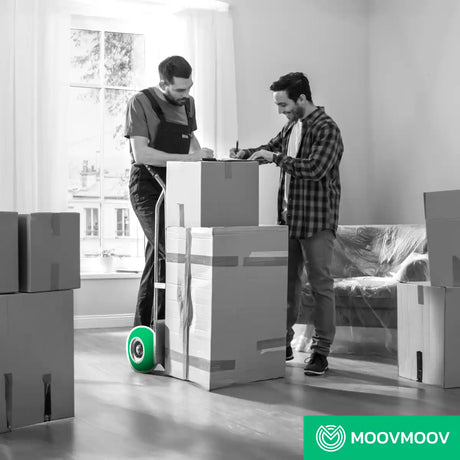
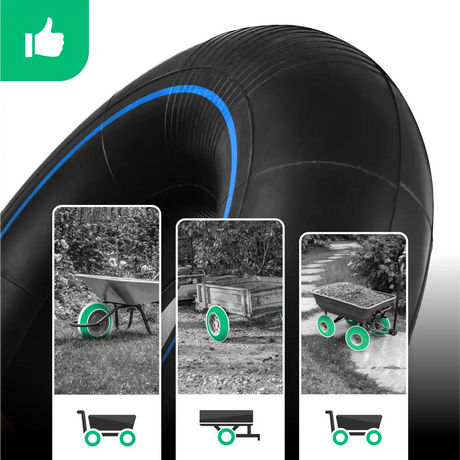
For hand trucks and garden carts, stress mainly comes from heavy loads and frequent starts and stops, often on rough surfaces such as gravel, paving stones, or thresholds.
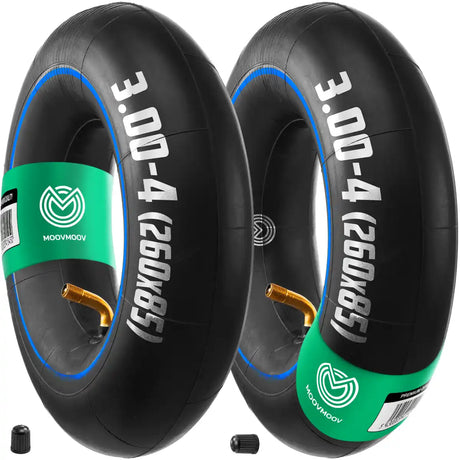
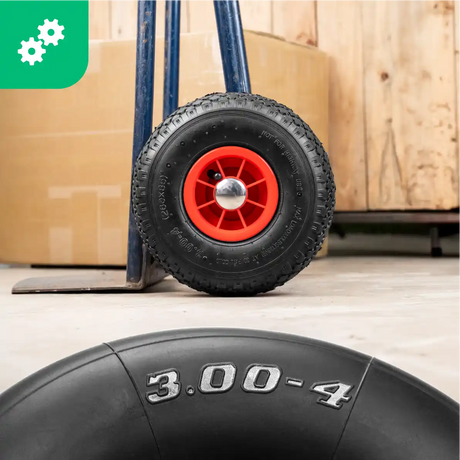
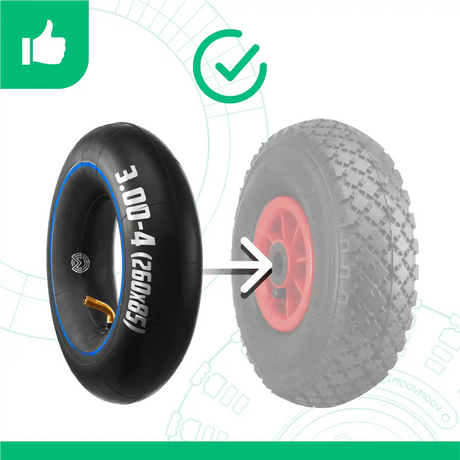
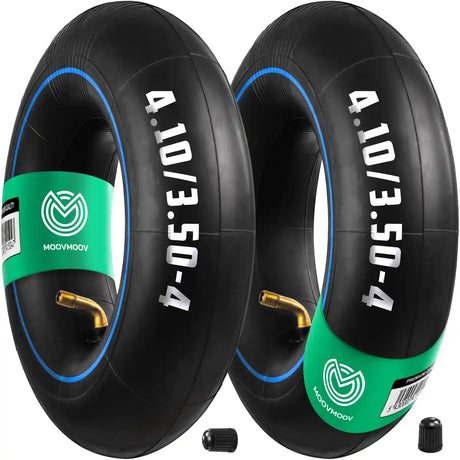
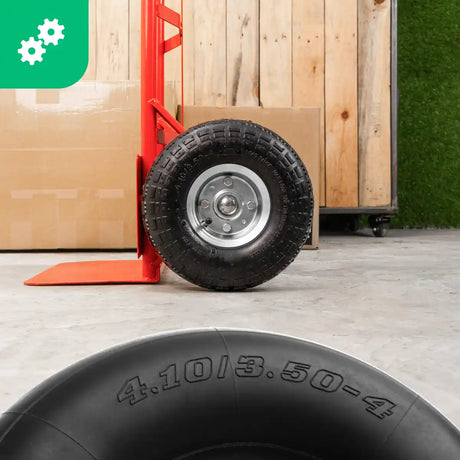
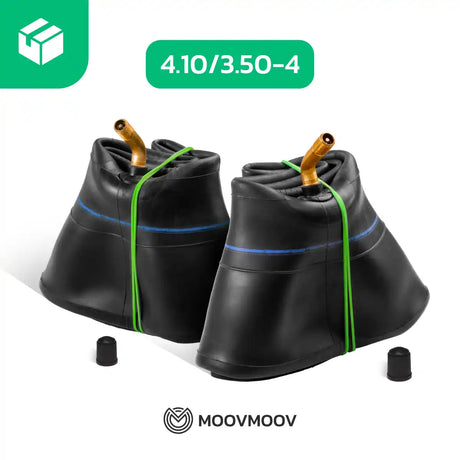
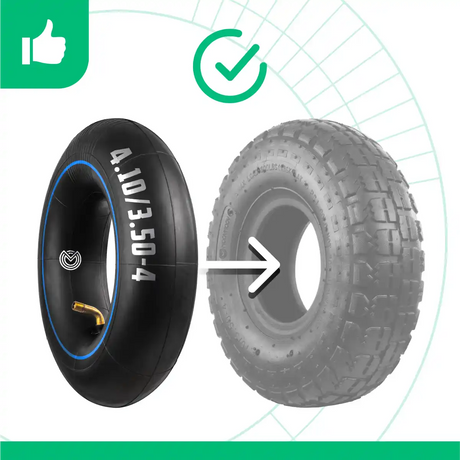
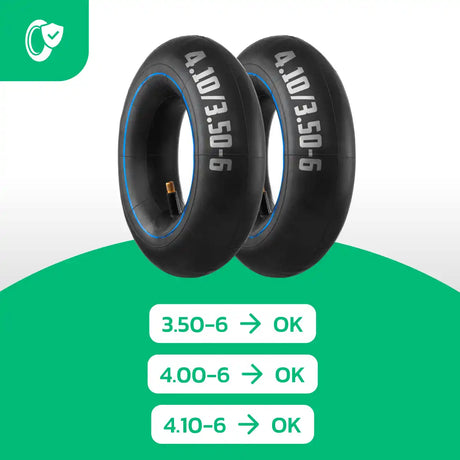
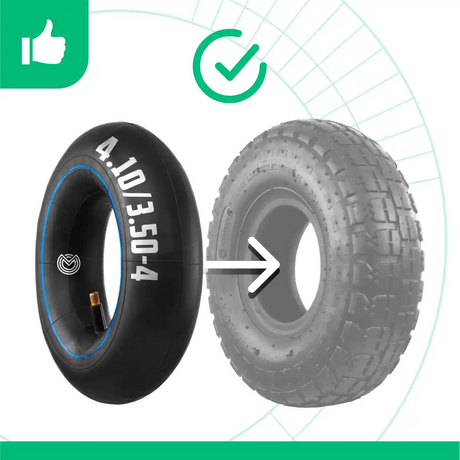
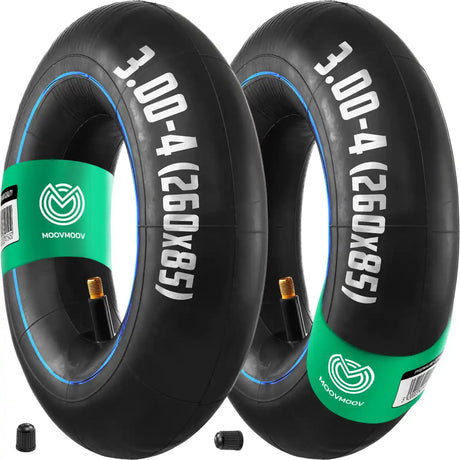
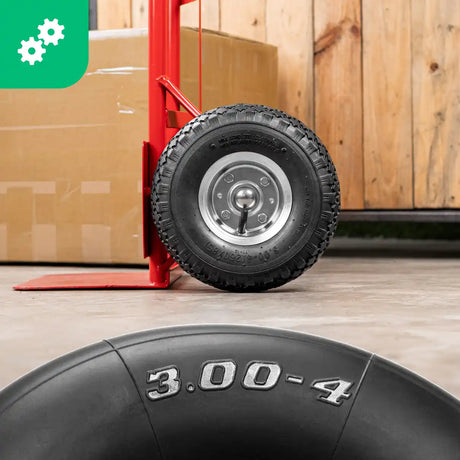
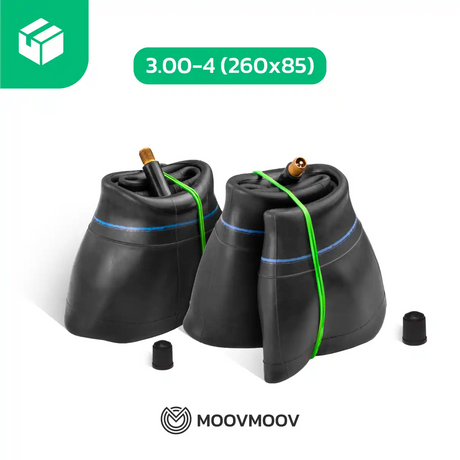
Sizes are typically listed in inches on the tire (e.g. 3.00-4, 4.10/3.50-4, 3.50-8, 4.00-8). Proper sizing and correct inflation help reduce repeated flats.
Most models use Schrader valves, though compact wheels may require angled valves for tight access.
LAWN TRACTOR INNER TUBES
For powered garden equipment, compatibility depends on tire size (usually inch-based) and load capacity. Common sizes include 13×5.00-6, 15×6.00-6, and 16×6.50-8.
A correctly sized tube with a practical valve simplifies maintenance and seasonal replacements.
TRAILER INNER TUBES
For garden or light-duty utility trailers, load capacity and proper inflation are key. Identify the tire size on the sidewall and verify the valve type.
Under-inflation accelerates wear and reduces stability, especially when hauling loads.
POWERSPORTS & PROFESSIONAL USE
MOTORCYCLE INNER TUBES
Motorcycle inner tubes use specific sizing (e.g. 90/90-21, 80/100-12, 90/100-14), depending on the tire, rim, and riding style (street or off-road).
An appropriate valve and careful installation help prevent leaks at the valve base and reduce pinch-flat risk during mounting.
SCOOTER INNER TUBES (TUBE-TYPE / VINTAGE)
Most modern scooters use tubeless tires. Inner tubes are mainly intended for older or vintage models with tube-type tires, or specific applications.
If unsure, check the “Tubeless” (TL) or “Tube Type” (TT) marking on the tire and confirm rim and valve compatibility. For temporary repairs, restore a durable setup as soon as possible.
ATV / QUAD INNER TUBES
ATVs, UTVs, and quads combine load, traction, and varied terrain. Sizes are generally expressed in inches (e.g. 18×9.50-8, 18×8.50-8, 20×8-8).
Confirm the exact tire marking, valve clearance, and intended use (recreational, utility, or off-road).
AGRICULTURAL & INDUSTRIAL INNER TUBES
In agricultural and industrial applications, loads and terrain stresses can be high. Sizes and valve configurations may be specific.
Correctly identifying the markings on the tire and rim is the first step toward selecting the proper inner tube.
OTHER EQUIPMENT
STROLLER INNER TUBES
Stroller tires are typically small and size-specific, with varying widths depending on the model. Check the tire marking and valve type.
An angled valve can be helpful when inflation access is limited. Proper pressure improves maneuverability and reduces pinch flats.
MOBILITY EQUIPMENT INNER TUBES (WHEELCHAIRS & MOBILITY SCOOTERS)
The priority is precise sizing, comfort, and reliability. Read the tire markings carefully and verify the valve type.
Match inch or ETRTO sizing exactly and ensure easy access for inflation before purchasing.
HOW TO CHOOSE
To select a compatible inner tube, start by reading the tire sidewall, then verify:
- Size: diameter and width (or width range)
- Valve type: Schrader or Presta; straight or angled; length suited to the rim
- Use & load: residential, recreational, utility, or professional
- Rim & rim strip condition: to prevent abrasion and micro-leaks
When multiple sizes are compatible, choose the tube whose width range best matches your tire.
PRACTICAL TIPS
Careful installation improves longevity:
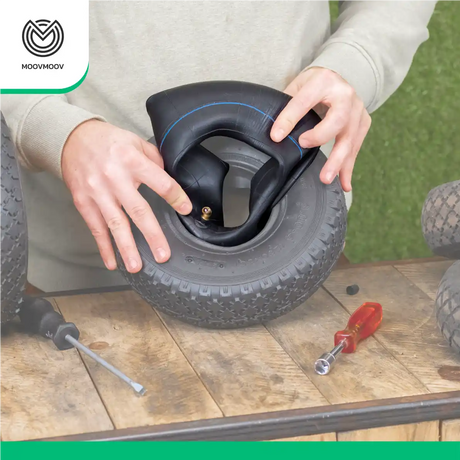
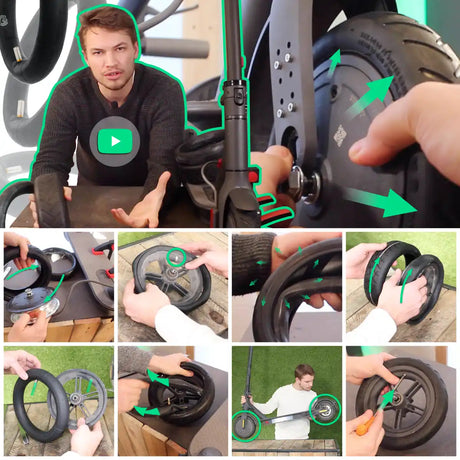
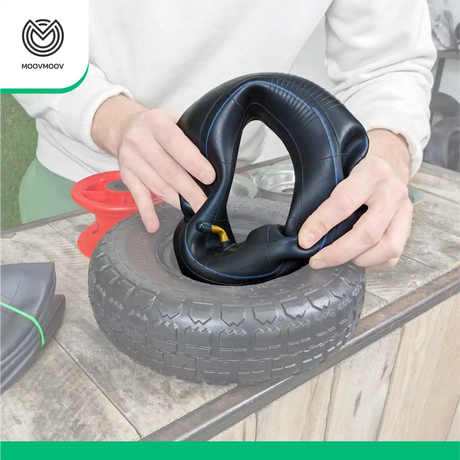
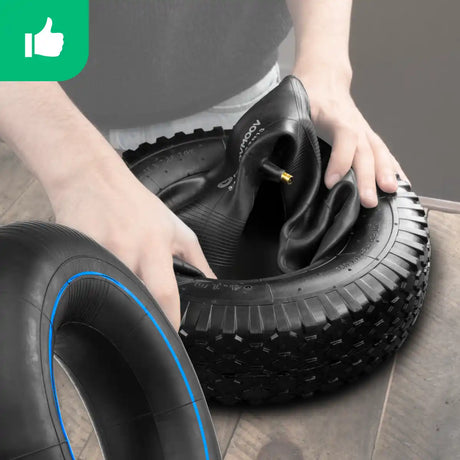
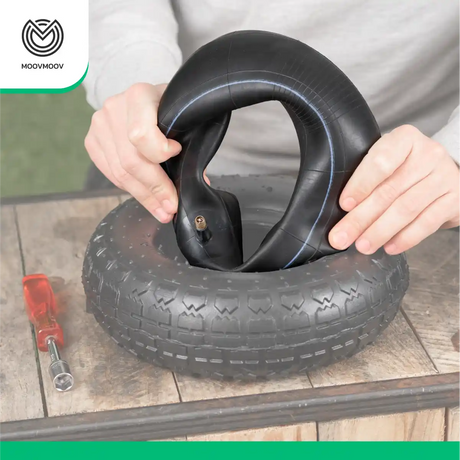
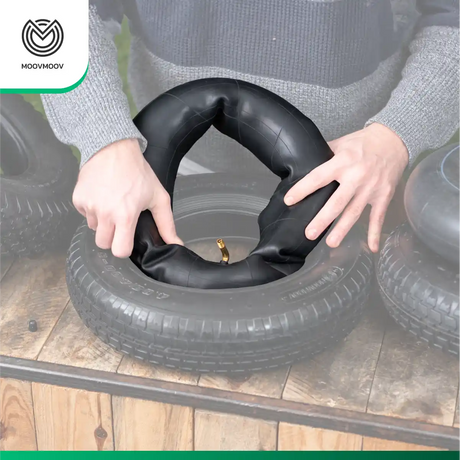
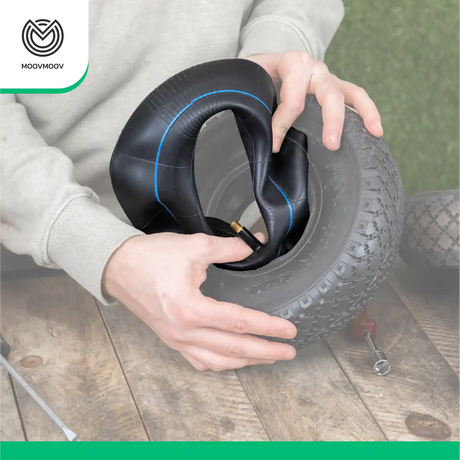
- Inspect the inside of the tire and the rim before mounting.
- Slightly pre-inflate the tube before seating to prevent twists and pinches.
- A light dusting of talcum powder can help reduce friction.
- Adjust final PSI according to load and terrain.
This page is designed to guide you toward the most suitable inner tube based on your equipment and tire size.